1. Home
  2. Media Room
  3. Podcast

Who Gets to Play

Hockey, access, and the kids left off the ice. Conversations with the Canadian researchers who study why children play, why they stop, and who never gets the chance to start.

  • Season one: 8 conversations recorded
  • Releasing soon
  • Hosted by Andrew Adair
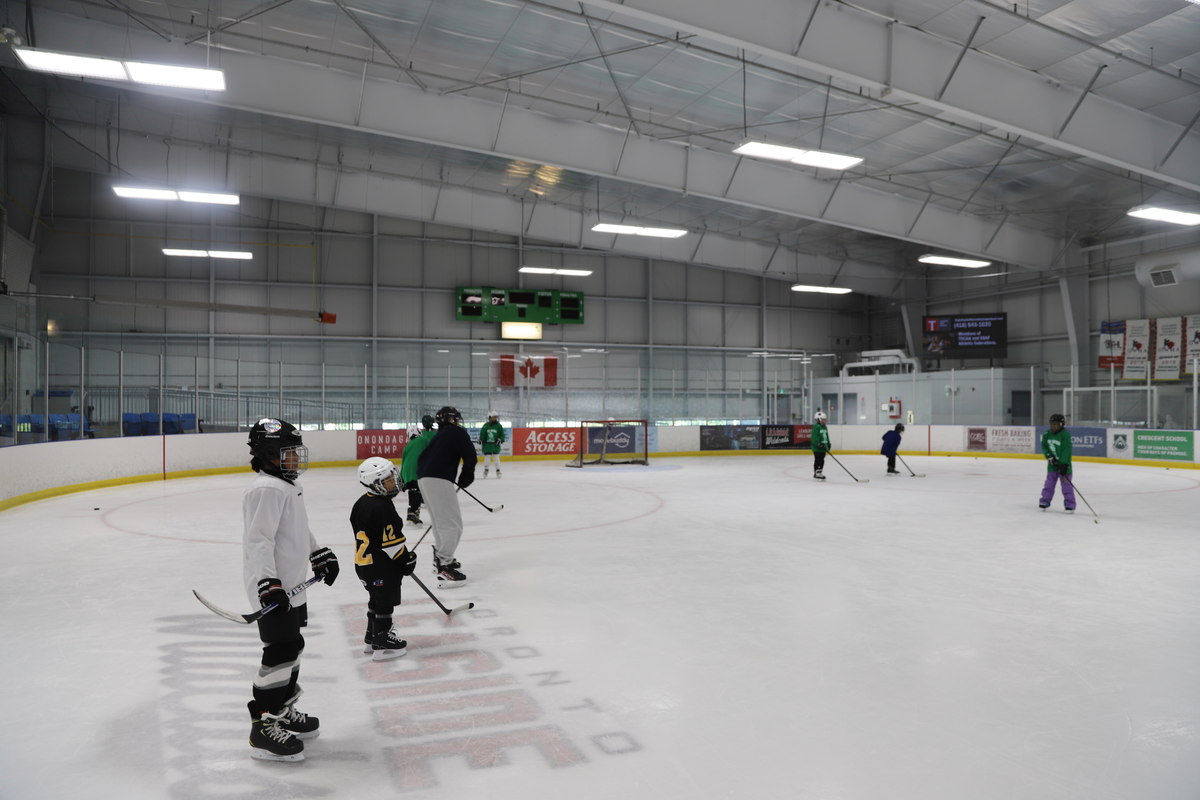
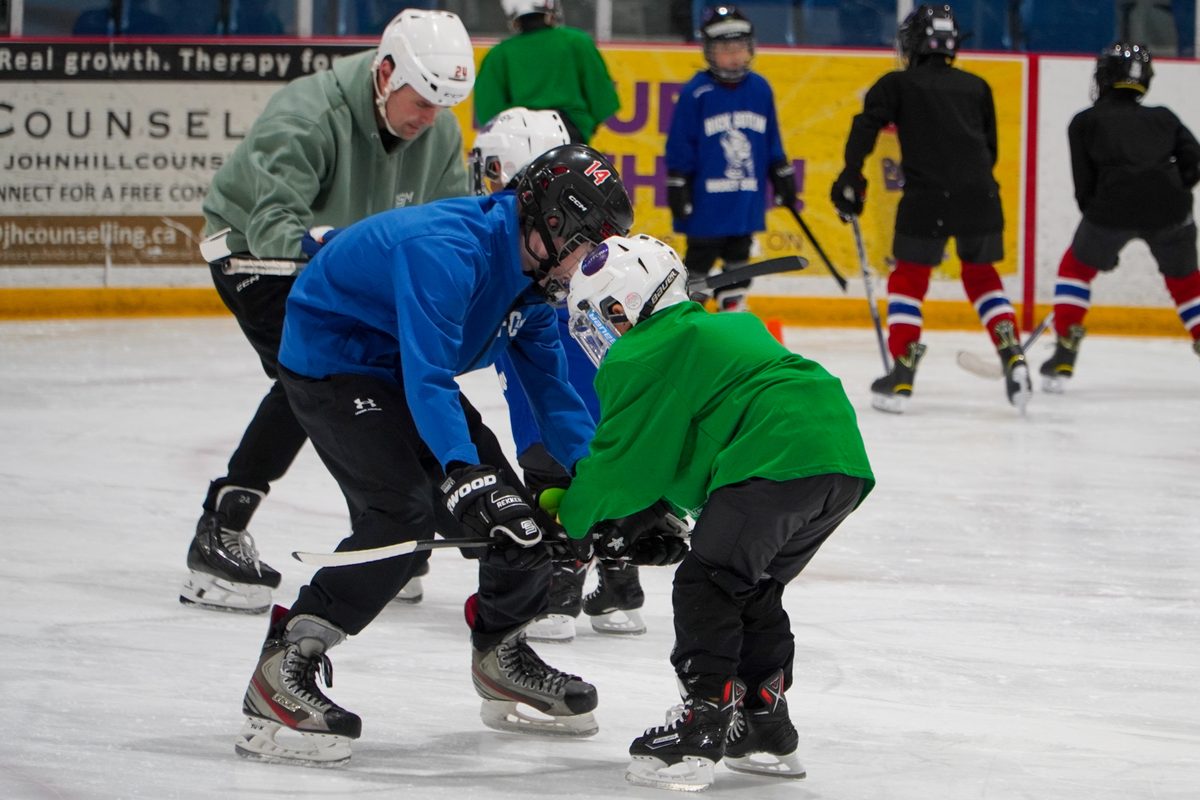
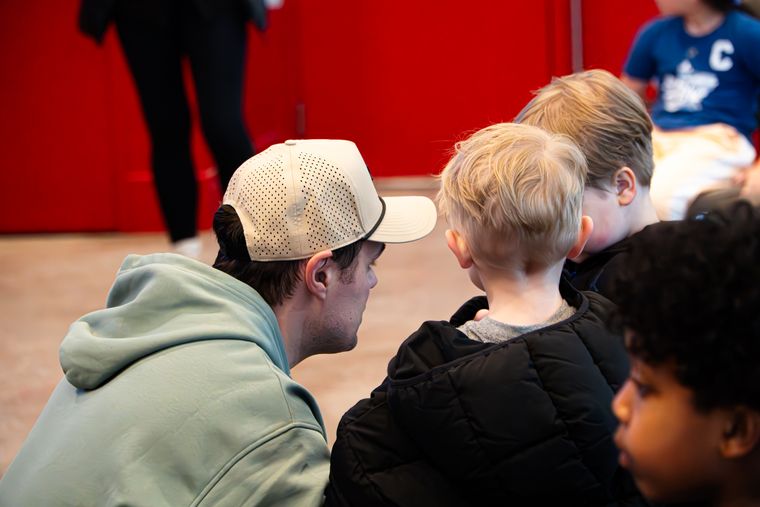
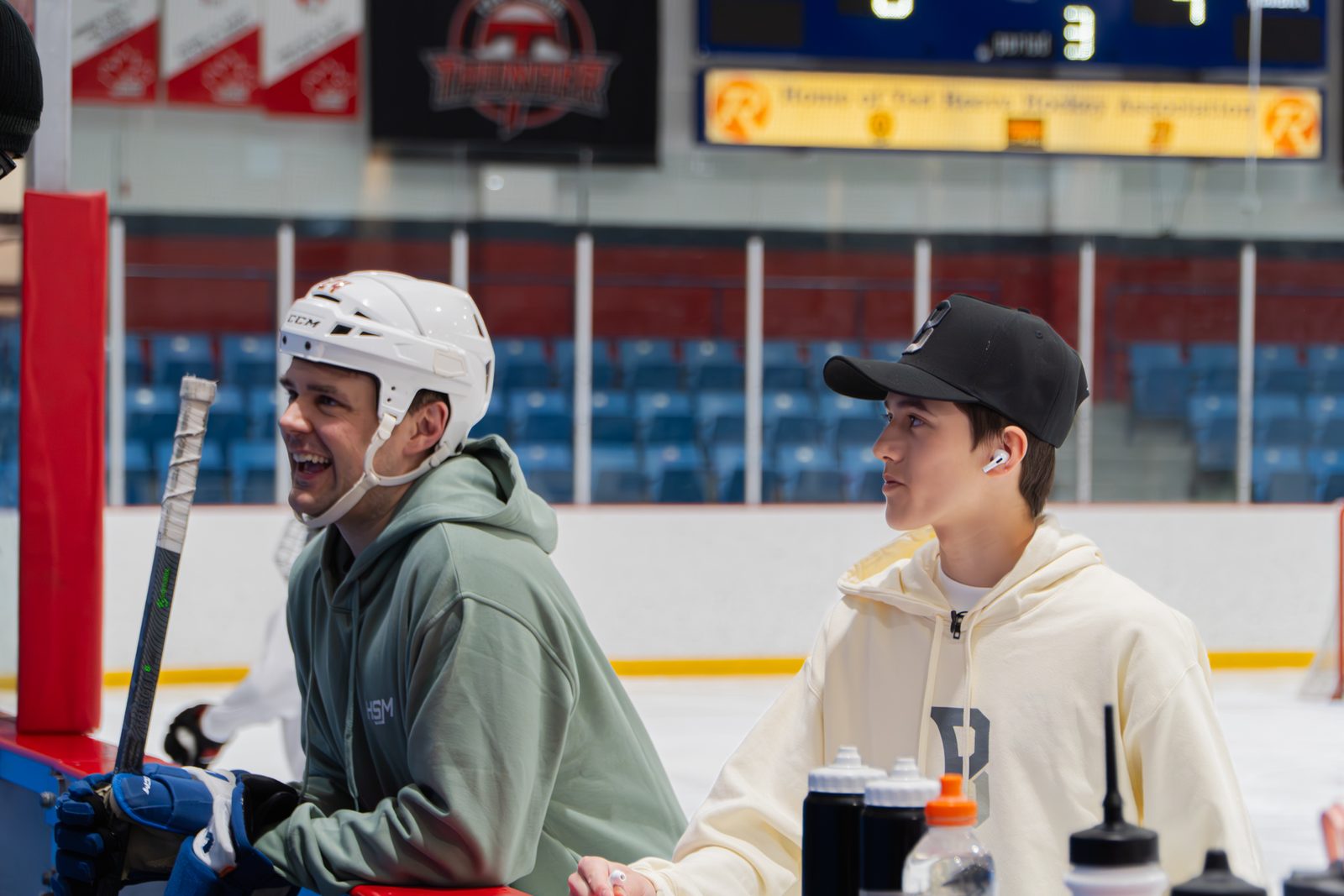
Coaches talking on the bench during an Open Ice camp in Toronto

The show

An interview podcast from the rink

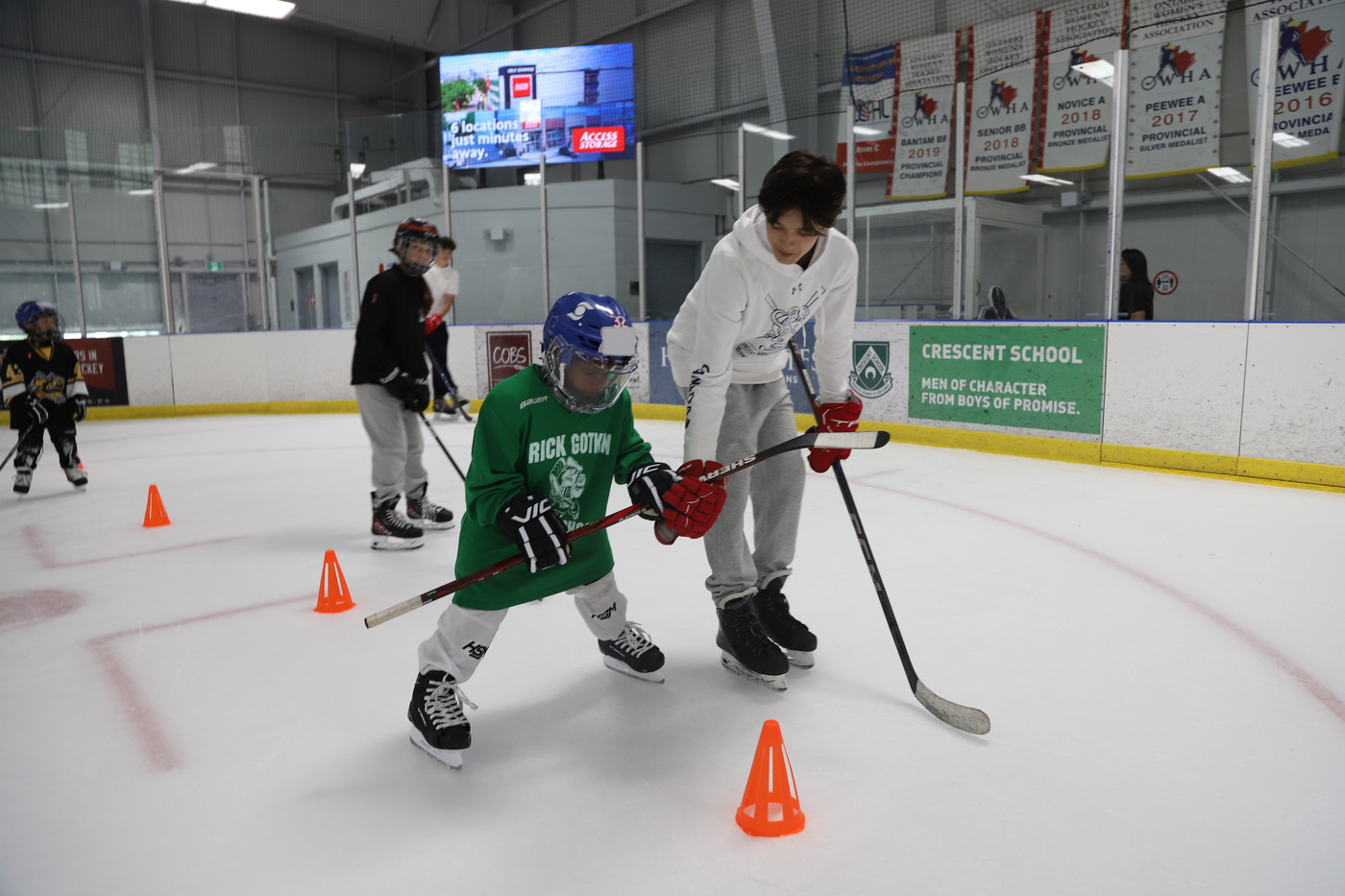
Who Gets to Play is the interview podcast from Open Ice Initiative, the student-led Toronto not-for-profit that puts children who have never played hockey onto the ice for free, with equipment they keep.

Each episode is one conversation with a researcher who has spent a career on a piece of the question in the title: how coaches shape young players, what a birth month or a postal code decides, what the brain does when a child learns to skate, and why so many children never get asked at all.

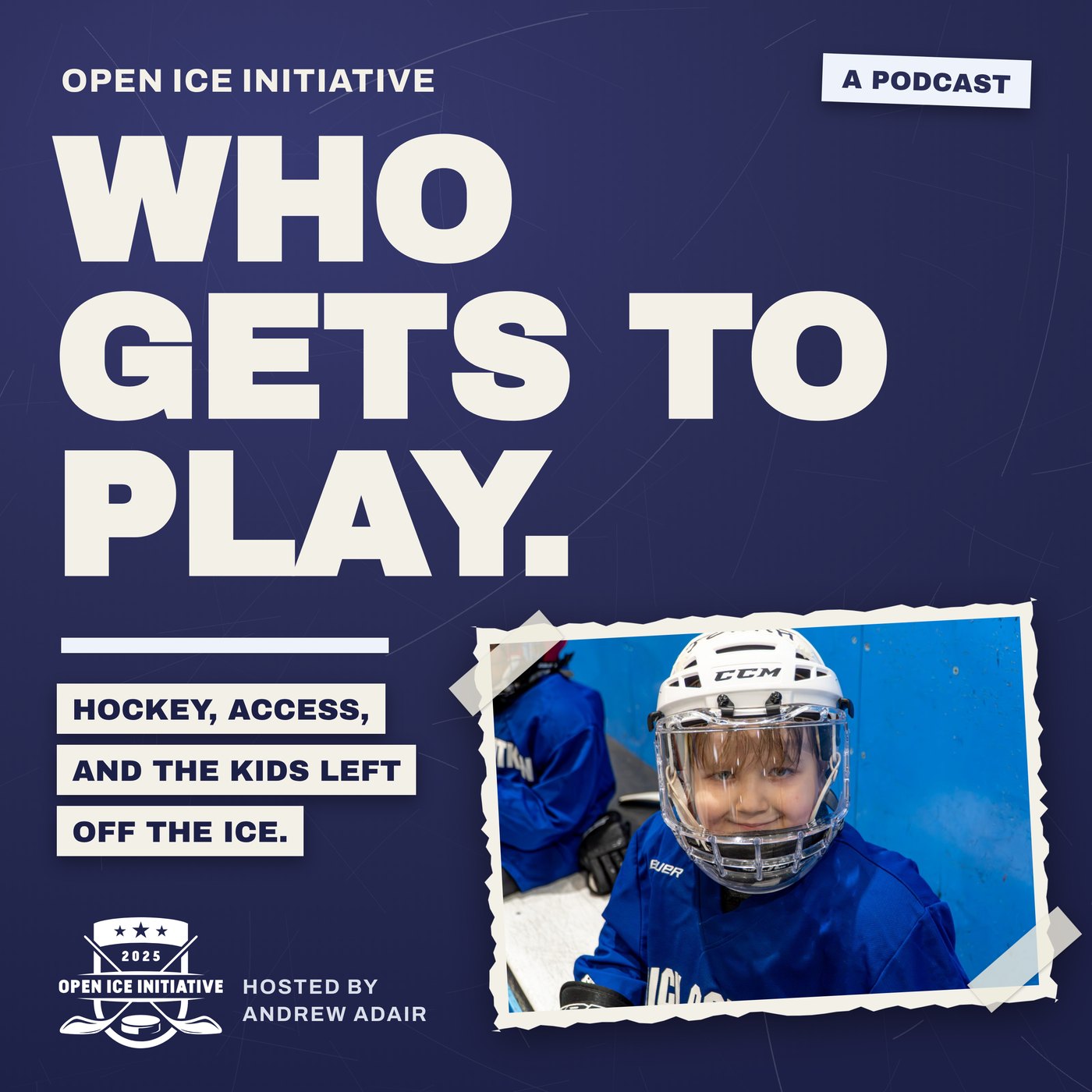
Who Gets to Play show cover, with a smiling young camper in a cage helmet
Show cover, free to share

Why it exists

The barrier is money, not talent

Open Ice Initiative exists because the thing that keeps children in this city off the ice is cost. A full set of equipment for one child comes to $750, before a single hour of ice. For a family new to Canada, or a family stretching every dollar, hockey is simply not on the list.

Our camps fix that for the children in front of us. This show is the argument underneath them, made by people who have studied it properly: what a coach’s tone does to a nine year old, what it costs a family to say yes, and what happens to the children who are never asked.

The host

Host

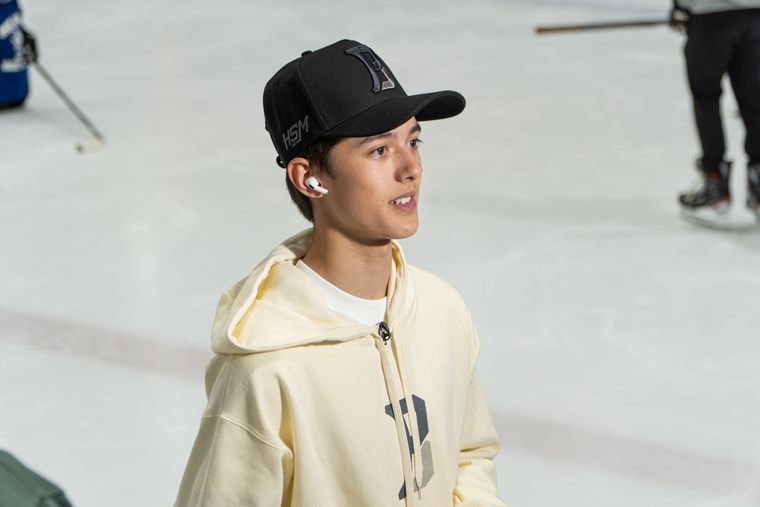
Andrew Adair, founder and president of Open Ice Initiative

Andrew Adair

Founder and President, Open Ice Initiative

The show is hosted by Andrew Adair, founder and president of Open Ice Initiative. Marc Muruve, our head coach, co-hosts some conversations.

Format

One researcher, one conversation

Conversations run 20 to 30 minutes and are recorded remotely, by phone or video. Every guest gets the questions in advance.

Host
Andrew Adair
Format
20 to 30 minute conversations
Guests
Researchers from universities across Canada
Status
Season one recorded, in edit

Season one at a glance

Recorded remotely in August 2026, by phone or video, and now in edit.

8Conversations recorded for season one
7Canadian universities
20 to 30Minutes per conversation
3Platforms coming: Spotify, Apple Podcasts and YouTube

How an episode is made

1

The question

We look for a researcher whose work answers one piece of who gets to play: participation, access, coaching or youth development.

2

The invitation

We write to them, and every guest gets the questions in advance.

3

The conversation

Twenty to thirty minutes, recorded remotely by phone or video. Marc Muruve, our head coach, co-hosts some of them.

4

The edit

Each episode is edited and gets its own poster. Season one is in edit now, and episodes will publish to Spotify, Apple Podcasts and YouTube.

Season one

Eight conversations, recorded

All eight were recorded in August 2026 and are now in edit. Episode numbers follow the order we recorded them; the release order may change. Every poster is free to share.

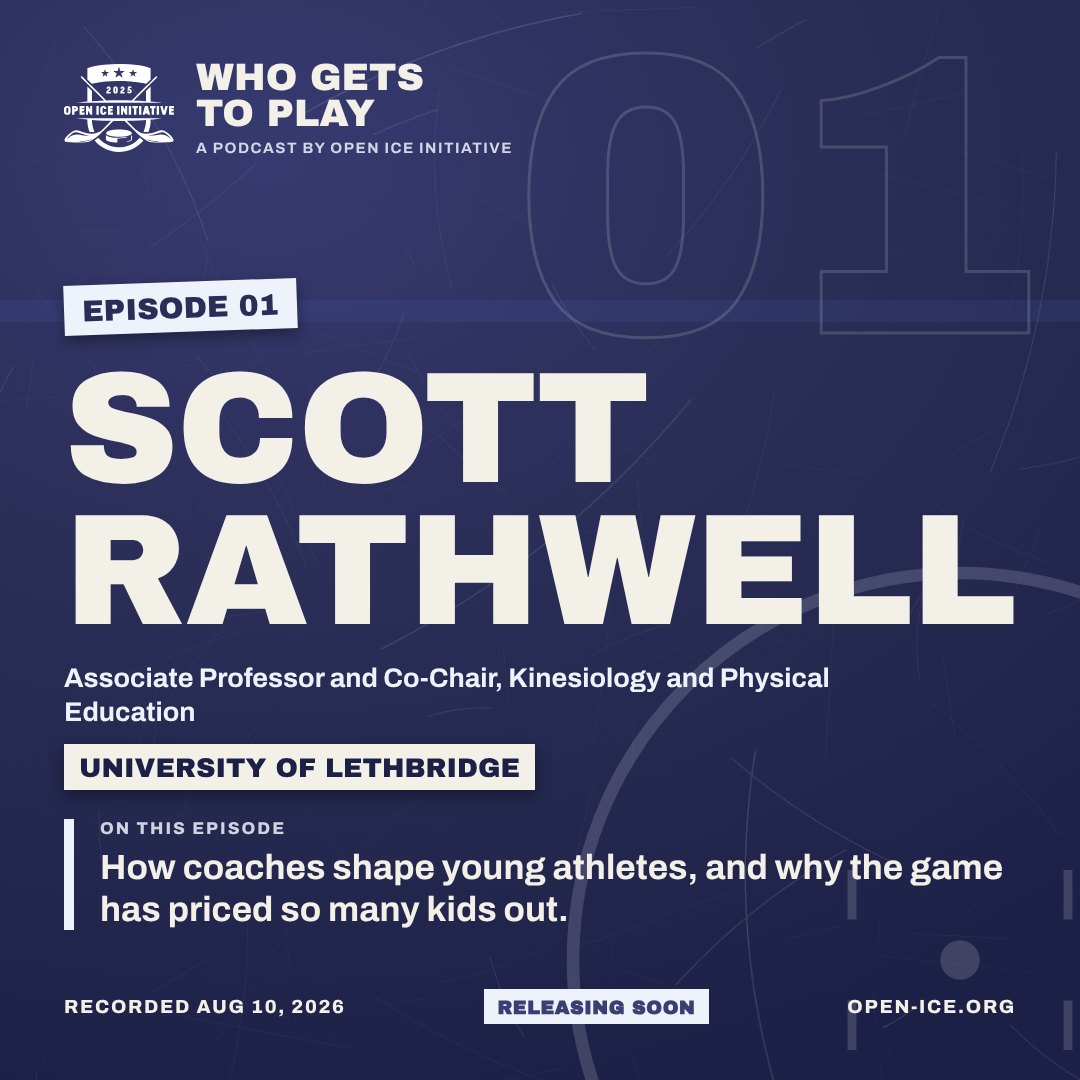
Episode 01 poster: Scott Rathwell, University of Lethbridge
Episode 01Recorded, releasing soon

Scott Rathwell

Associate Professor and Co-Chair, Kinesiology and Physical Education
University of Lethbridge
How coaches shape young athletes, and why the game has priced so many kids out.CoachingCostStudies both ends of a playing life: what coaching builds in a young person, and what keeps someone in the game into their fifties and sixties.Recorded August 10, 2026  •  Story poster
Episode 02 poster: Philip Sullivan, Brock University
Episode 02Recorded, releasing soon

Philip Sullivan

Professor and Associate Dean
Brock University
Mental health literacy: can the adults around a struggling kid recognize what they are seeing?Mental healthCoachingLeads knowledge mobilization for the national Student-Athlete Mental Health Initiative, and asks whether the adults around a struggling young player can recognize what they are seeing.Recorded August 10, 2026  •  Story poster
Episode 03 poster: Kimberley Dawson, Wilfrid Laurier University
Episode 03Recorded, releasing soon

Kimberley Dawson

Professor of Sport and Exercise Psychology
Wilfrid Laurier University
What actually helps a young athlete in the moment, and how little of it reaches a community rink.Sport psychologyWorks both sides of sport psychology, as a researcher and as a practising mental performance consultant.

With co-host Marc Muruve

Recorded August 11, 2026  •  Story poster
Episode 04 poster: Ben Schellenberg, University of Manitoba
Episode 04Recorded, releasing soon

Ben Schellenberg

Associate Professor and Director, PSA Lab
University of Manitoba
Harmonious or obsessive: the kind of passion a child’s first week on the ice can seed.PassionMotivationDirects the PSA Lab and works inside the dualistic model of passion. He once surveyed 418 Winnipeg Jets fans three times across a full NHL season to test it.Recorded August 17, 2026  •  Story poster
Episode 05 poster: Dylan Cooke, Simon Fraser University
Episode 05Recorded, releasing soon

Dylan Cooke

Associate Professor and Head, Sensorimotor Neuroplasticity Lab
Simon Fraser University
How a brain learns a brand new motor skill, like skating, from scratch.Motor learningSkatingStudies how motor skill develops and how the brain rebuilds it, including after injury. The one guest who can say, in physical terms, what learning to skate asks of a child.

With co-host Marc Muruve

Recorded August 19, 2026  •  Story poster
Episode 06 poster: Nick Wattie, Ontario Tech University
Episode 06Recorded, releasing soon

Nick Wattie

Associate Dean of Research
Ontario Tech University
Birth month, home town, family income: what quietly decides who gets to play.AccessRelative ageDirects the Applied Skill Acquisition in Sport Lab, and has spent two decades showing how birth month, home town and family income shape who gets to play.Recorded August 24, 2026  •  Story poster
Episode 07 poster: Catherine Sabiston, University of Toronto
Episode 07Recorded, releasing soon

Catherine Sabiston

Canada Research Chair in Physical Activity and Mental Health
University of Toronto
Activity and mental health: what the evidence supports, and where people overclaim.Mental healthActivityDirects the Mental Health and Physical Activity Research Centre, and is precise about what the evidence does and does not support.Recorded August 26, 2026  •  Story poster
Episode 08 poster: Cheryl Glazebrook, University of Manitoba
Episode 08Recorded, releasing soon

Cheryl Glazebrook

Professor, Perceptual Motor Integration Lab
University of Manitoba
Movement as connection: motor learning, autism and belonging on the ice.InclusionMotor learningRuns the Perceptual Motor Integration Lab. Her research on movement and autism treats movement as connection rather than performance.Recorded August 27, 2026  •  Story poster
In their words

Episode 01 poster: Scott Rathwell, University of Lethbridge

The game has gotten way too expensive and so many kids are now missing out on the best game on earth.

Scott RathwellUniversity of Lethbridge, guest on episode 01
Andrew Adair, founder and president of Open Ice Initiative

Hockey gave me confidence, structure, and a sense of belonging and responsibility, and Open Ice is my way of passing those lessons on to others.

Andrew AdairHost, in Beach Metro Community News, January 2026

Where to listen

Coming to your podcast app

Who Gets to Play is coming to Spotify, Apple Podcasts and YouTube. It is not live yet, so there are no links here. We will add them on the day the first episode is published, and we will announce it in the newsroom.

Spotify

Coming soon

Apple Podcasts

Coming soon

YouTube

Coming soon

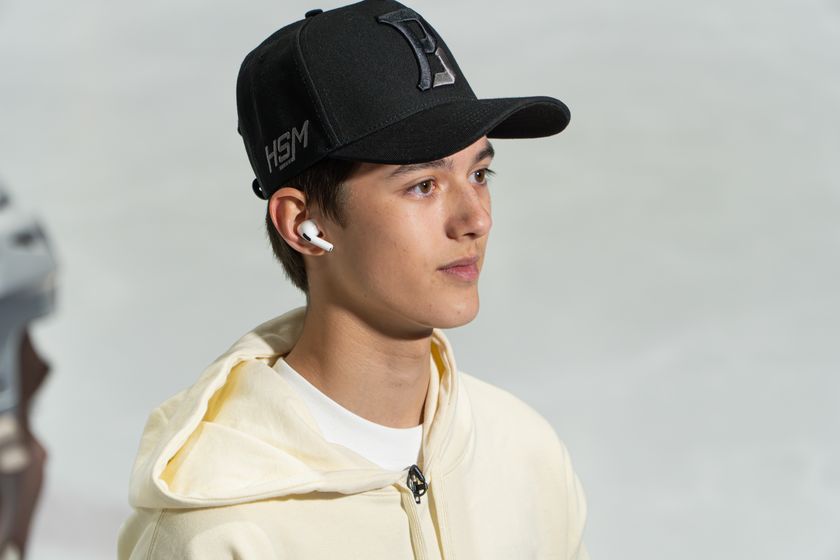
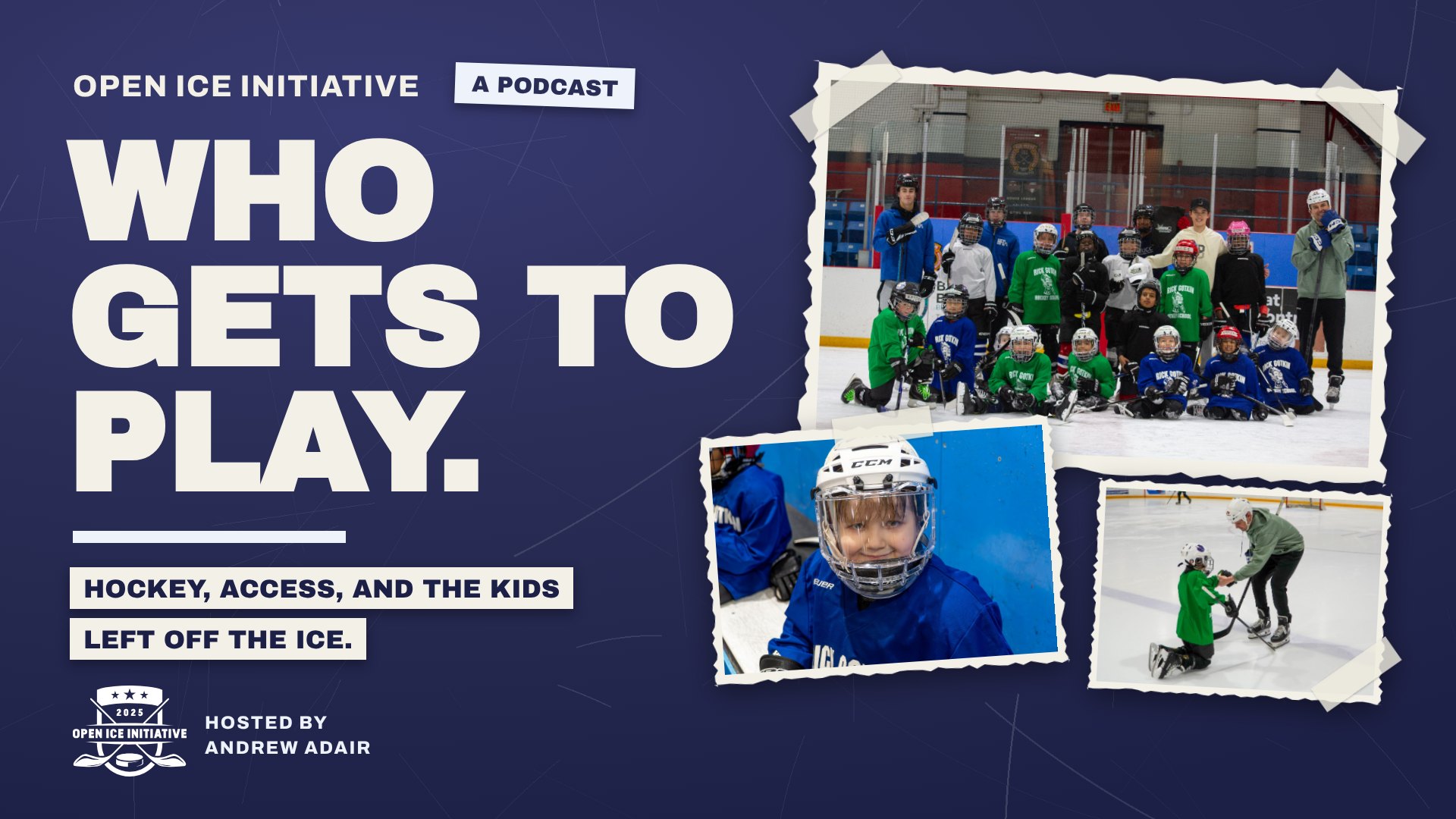
Who Gets to Play, a podcast by Open Ice Initiative: hockey, access, and the kids left off the ice. Photographs from Open Ice camps in Toronto.

Show art for press and partners:Square coverWide banner (1920 by 1080)Header banner (1500 by 500)

Suggest a guest

Know someone we should talk to?

More researchers have already said yes to later episodes, and we are always listening. If you study participation, access, coaching or youth development, or you know someone who does, tell us. We record remotely, the conversation takes 20 to 30 minutes, and we send the questions in advance.

Or write to openiceinitiative@gmail.com

Your suggestion goes straight to our team. We reply from openiceinitiative@gmail.com.