Programs
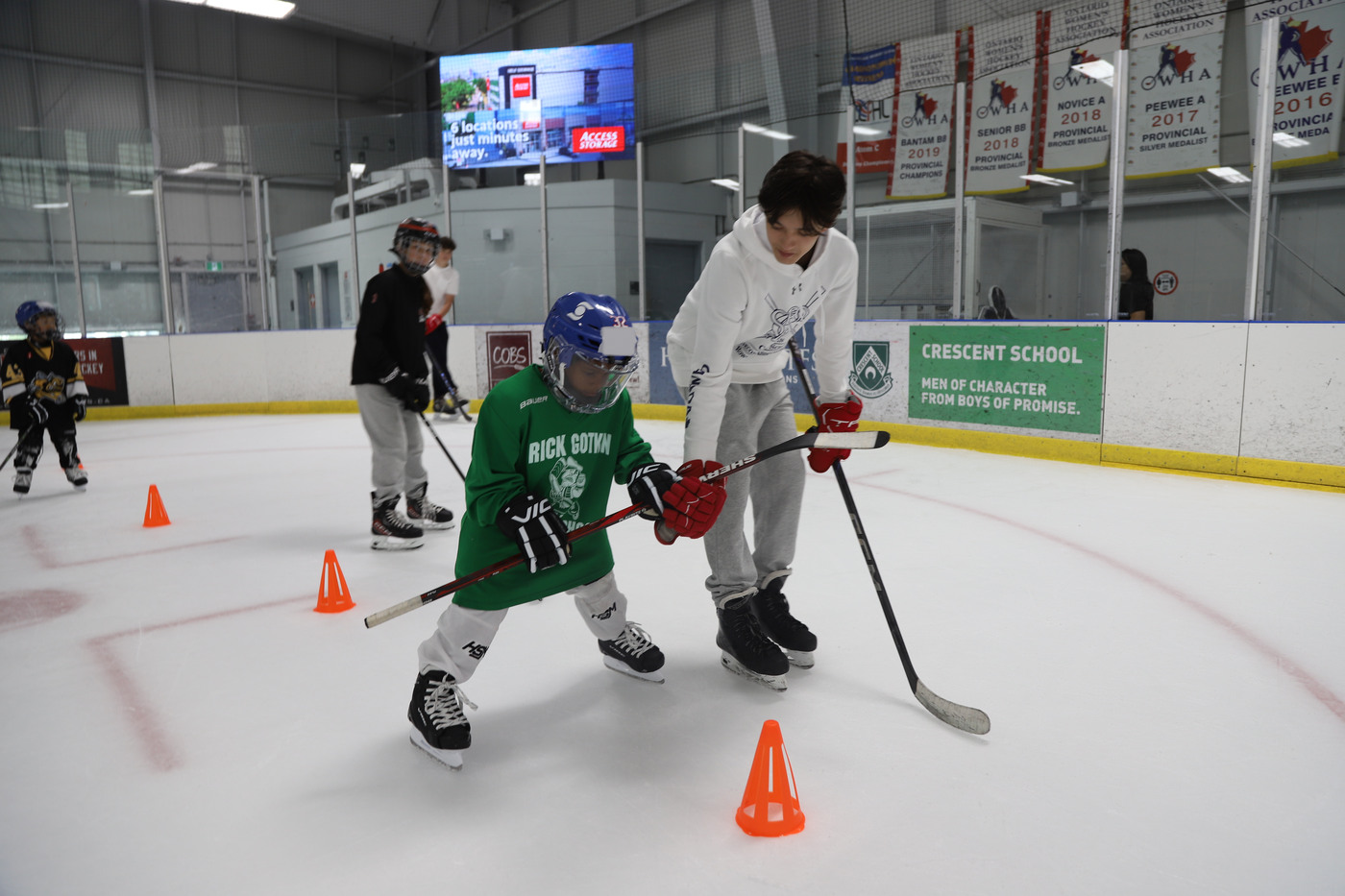
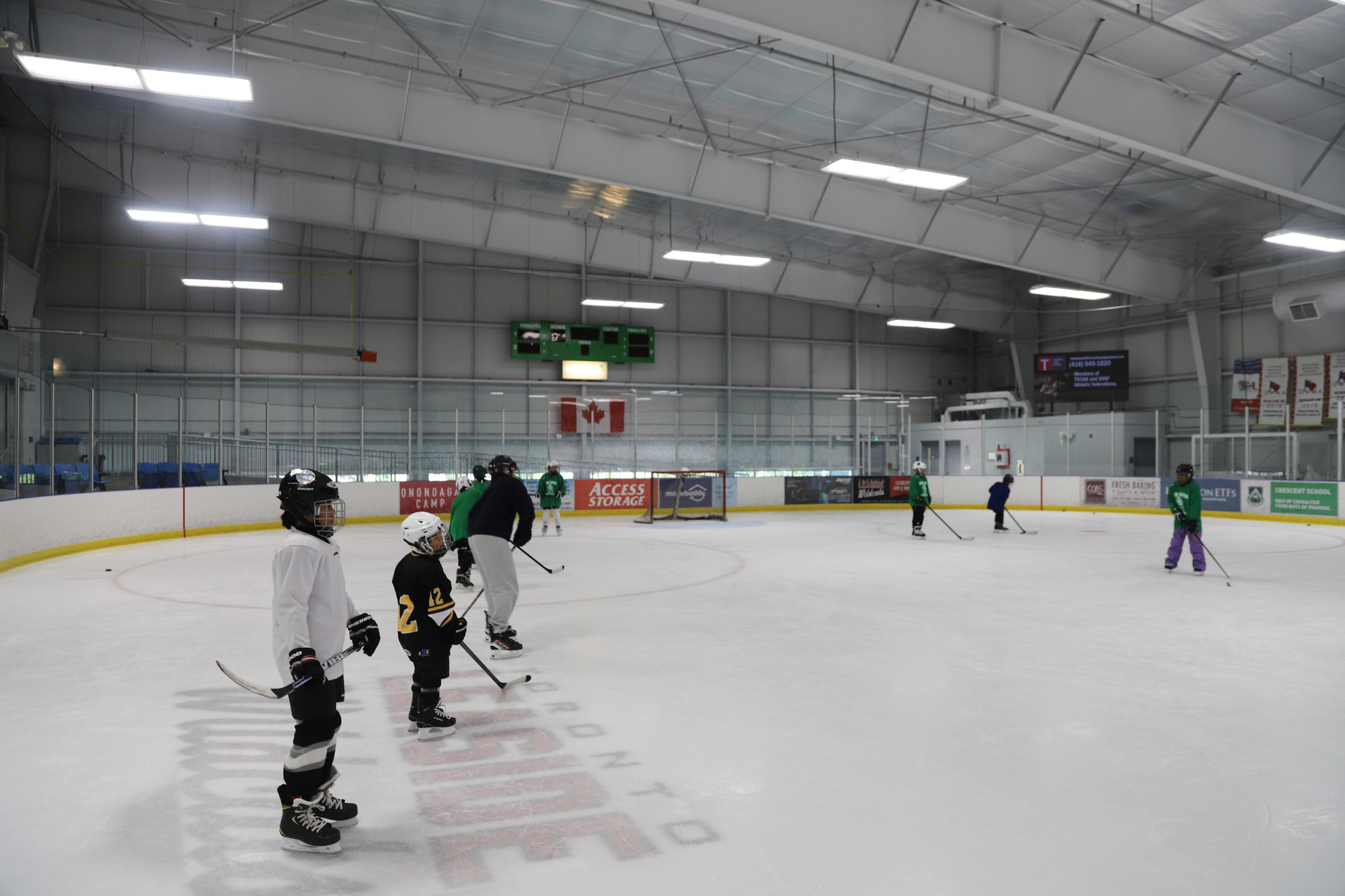
Four days in August: what the summer camp actually looked like
Two arenas, four days, and five hundred and seventy-six pieces of equipment that went home with a child and did not come back.

The first two conversations are recorded. Between them, the guests study almost every reason a child ends up on the ice or off it.
Toronto, Ontario. Who Gets to Play is a new interview podcast from Open Ice Initiative about hockey, access, and the children left off the ice. Twenty-seven researchers at universities from Victoria to Windsor have agreed to appear.
The first two are recorded. Scott Rathwell of the University of Lethbridge, who studies how coaches shape young athletes, opened his reply with the line that became the reason for the show: the game has gotten way too expensive and so many kids are now missing out on the best game on earth. Philip Sullivan of Brock University follows, on mental health literacy in coaching, and why it is usually capability rather than willingness that stops a volunteer coach starting a difficult conversation.
What comes after that covers relative age effects, gender equity, body image in young hockey players, self-compassion against the sport’s toughness culture, sport as a route into a new country, and inclusion for children with disabilities and children in cancer care.
Publishing to Spotify and Apple Podcasts. The full guest list is on the podcast page.
The game has gotten way too expensive and so many kids are now missing out on the best game on earth.
Two arenas, four days, and five hundred and seventy-six pieces of equipment that went home with a child and did not come back.
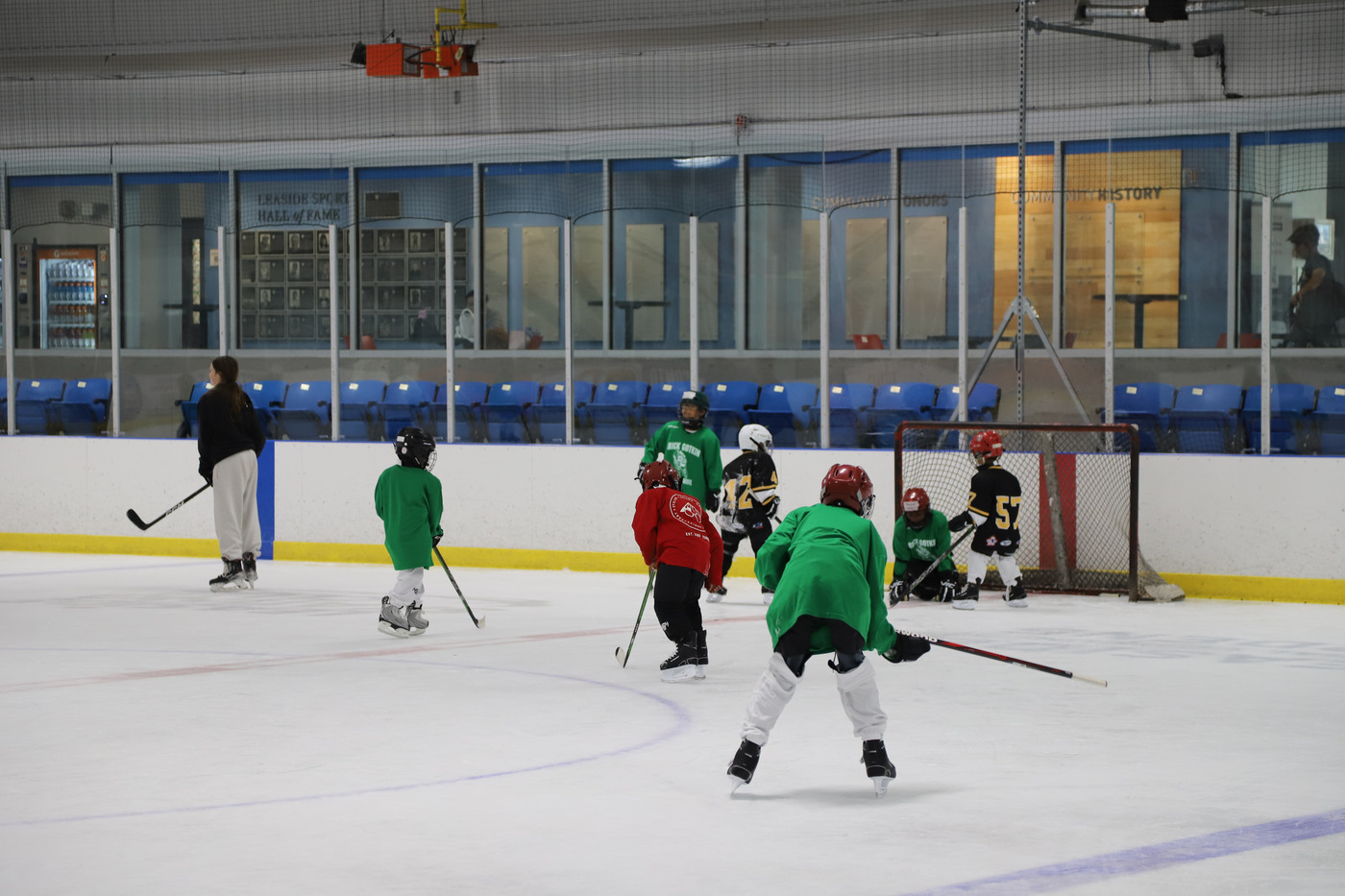
North Toronto Memorial Arena and Upper Canada College’s Wilder Arena join Leaside and Ted Reeve, taking the programme to four locations across the city.
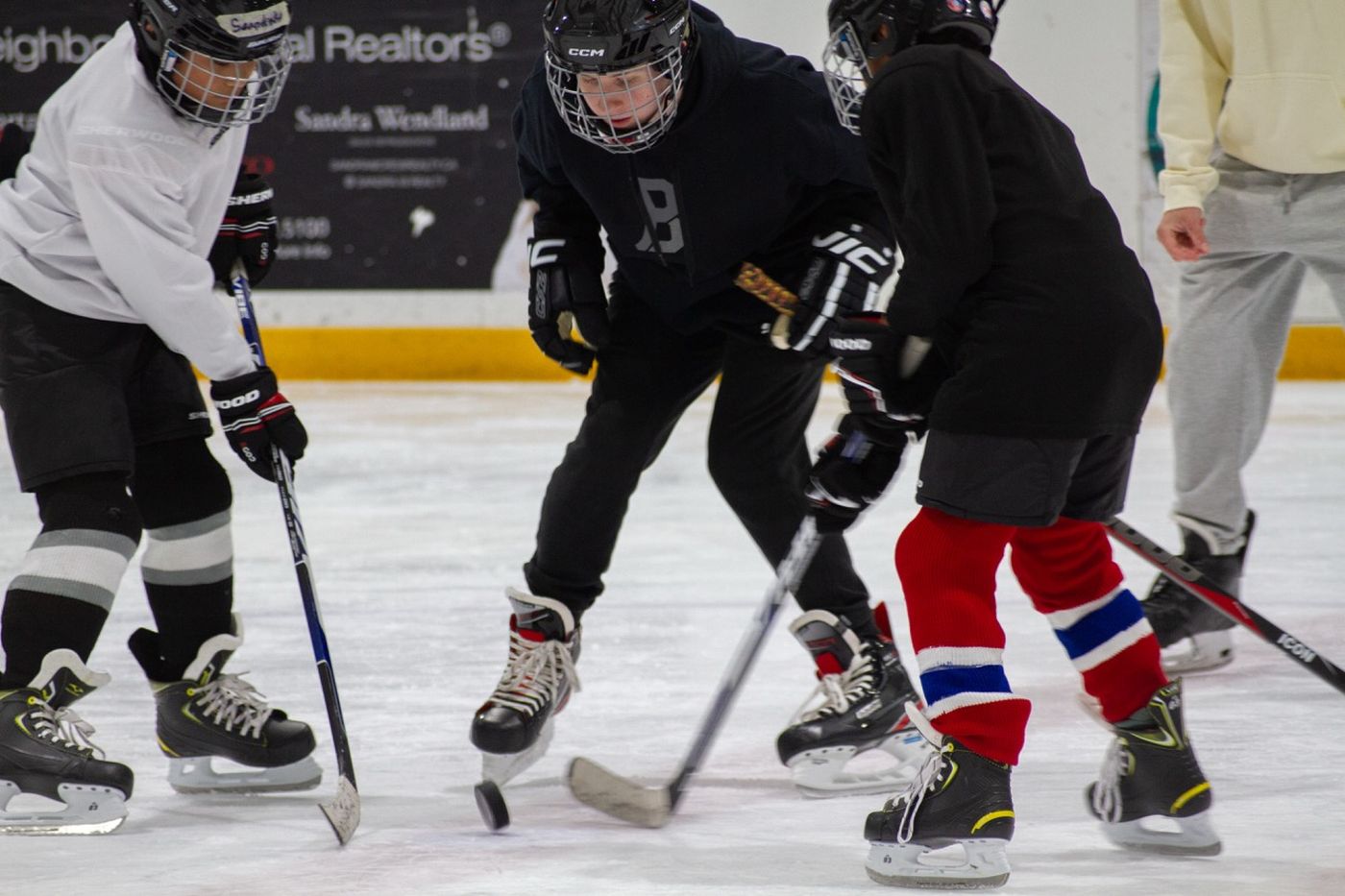
Two organisations, one in the classroom and one at the rink, exploring a pathway that carries a student from a school assembly to a pair of skates.
Text size
Appearance
Contrast
Motion